
Introduction to Financial Considerations in Online Gambling
According to the Financial Conduct Authority (FCA), cross-border financial transactions often carry higher risks due to regulatory differences and limited consumer protections. For individuals considering offshore casino platforms, understanding the financial implications is essential. Online gambling is not only about entertainment but also about managing money across jurisdictions, where banking systems and oversight vary significantly. This makes financial literacy a critical part of responsible play.
Payment Systems Commonly Used by Offshore Operators
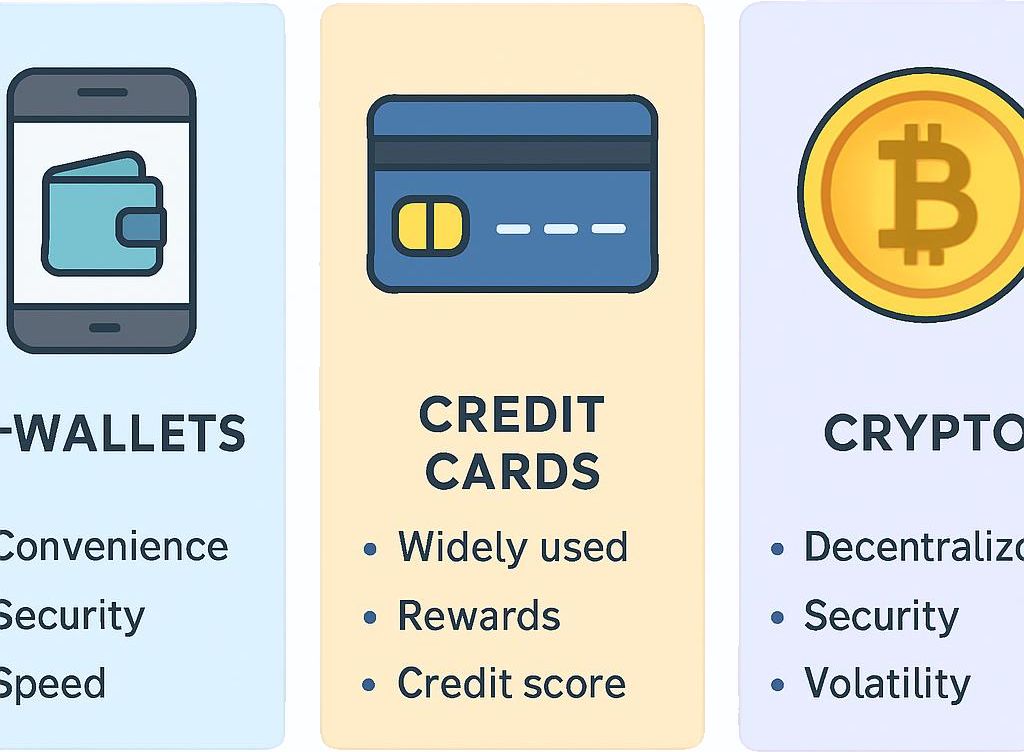
Offshore casinos typically rely on a mix of payment systems, including international credit cards, e-wallets, and cryptocurrency transfers. Some platforms also use third-party payment processors to facilitate deposits and withdrawals. Reviews of non UK casino sites highlight that players often encounter different transaction rules compared to domestic platforms. These systems may appear convenient, but they can introduce complexities such as additional fees, slower processing times, or limited dispute resolution options.
Exchange Rates, Crypto Volatility, and Transaction Timelines
Currency conversion is a major factor in offshore gambling. Exchange rates fluctuate daily, and even small changes can affect the value of deposits or withdrawals. The Bank for International Settlements notes that foreign exchange markets process trillions of dollars daily, underscoring the volatility players may face. Cryptocurrency adds another layer of uncertainty. Bitcoin and Ethereum, for example, can swing in value by double-digit percentages within days. Transaction timelines also vary: while crypto transfers may be faster, they are irreversible, whereas card payments may take longer but offer limited chargeback protections.
Risk Management: Bankroll Discipline and Verification Policies
Managing bankrolls across borders requires discipline. Financial advisors often recommend setting strict deposit limits and treating gambling funds as discretionary spending. Offshore platforms may also require additional verification steps, such as identity checks or proof of address, before releasing withdrawals. These measures are designed to comply with anti-money laundering regulations, but they can delay access to funds. Players should anticipate these requirements and plan accordingly to avoid liquidity issues.
Educational Comparison of Banking Features Offered by Offshore Platforms
When comparing offshore operators, differences in banking features become clear. Some international casino sites provide multi-currency wallets, allowing users to hold balances in different currencies. Others emphasize cryptocurrency integration, offering bonuses for digital deposits. A related term often used in discussions is “international gambling platforms,” which reflects the broader scope of services beyond domestic regulation. Compared to regulated UK platforms, offshore sites may lack standardized protections such as guaranteed withdrawal timelines or transparent fee disclosures. This variability makes comparison an educational exercise rather than a promotional one, helping players identify which systems align with their financial comfort levels.
Closing Advice on Evaluating Financial Transparency
Before depositing funds, players should evaluate the transparency of the platform’s financial policies. Clear disclosure of fees, exchange rates, and withdrawal timelines is a sign of reliability. According to Transparency International, opaque financial practices are often linked to higher risks of fraud or misuse. Gambling carries inherent risks, and when combined with offshore banking, those risks multiply. Responsible play requires not only setting personal limits but also choosing platforms that demonstrate accountability. International casino operators may offer variety, but without transparency, the potential for financial harm increases.
Ultimately, exploring offshore gambling options should be approached with caution. Financial literacy, awareness of currency and crypto volatility, and careful comparison of banking features are essential steps. By prioritizing transparency and discipline, players can reduce exposure to unnecessary risks. Gambling should always be treated as entertainment, not a financial strategy, and individuals must remain mindful that losses are possible. Responsible gambling organizations consistently warn that players should never deposit more than they can afford to lose, especially when dealing with international platforms.
READ ALSO: Building a Responsible Gambling Culture With Smart Online Lottery Technology
Conclusion
Offshore gambling banking introduces unique challenges that require careful evaluation. From exchange rates to verification policies, every step carries implications for financial security. International gambling platforms may provide access to diverse payment systems, but transparency and accountability should remain the guiding principles. By approaching offshore banking with measured caution, players can better manage risk and avoid unnecessary financial strain. Gambling is inherently uncertain, and when combined with cross-border transactions, the importance of discipline and awareness becomes even greater.
Warning: Gambling involves financial risk. Always play responsibly and seek professional advice if you feel your gambling is becoming problematic.

